
 Events




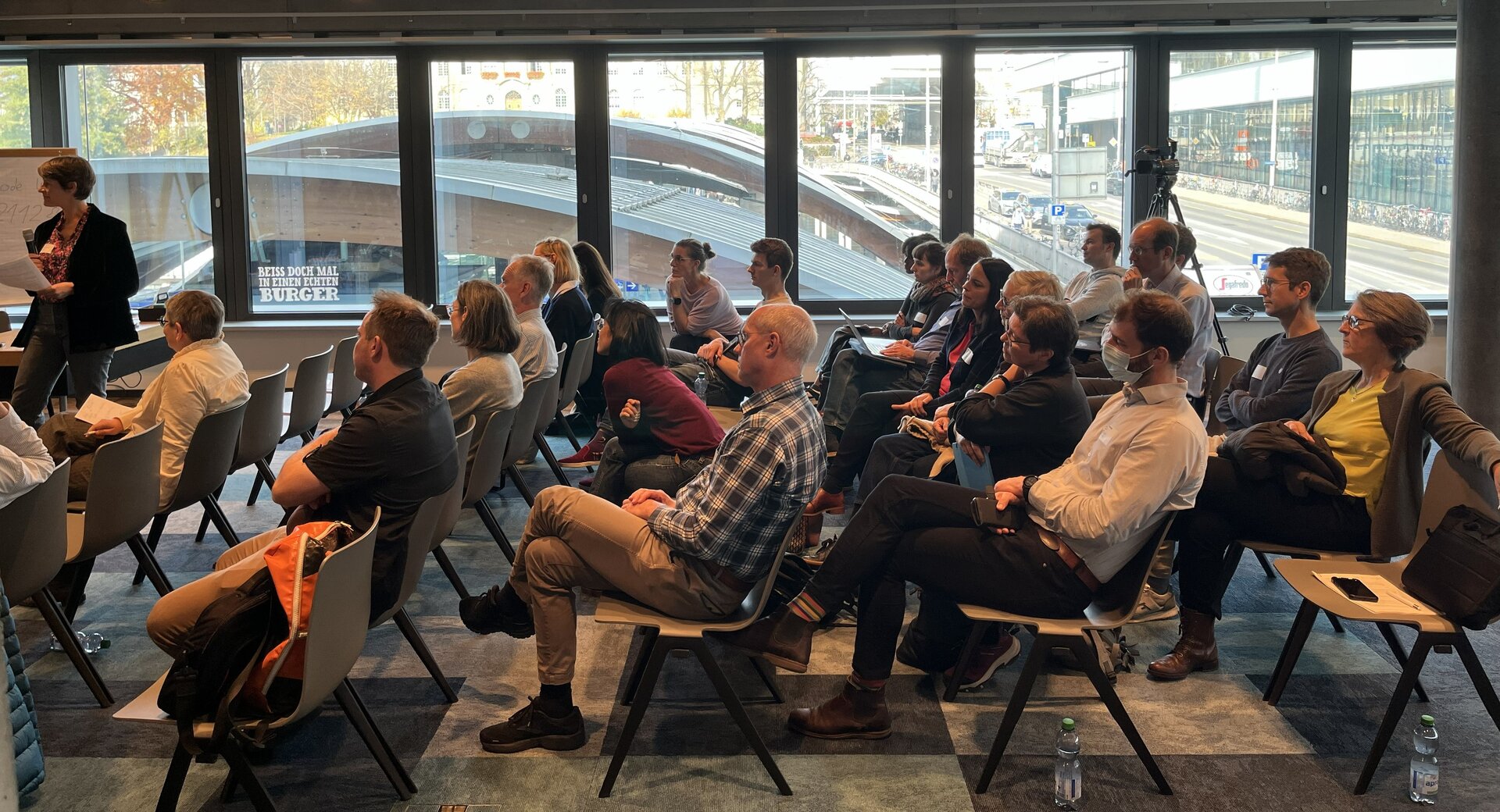
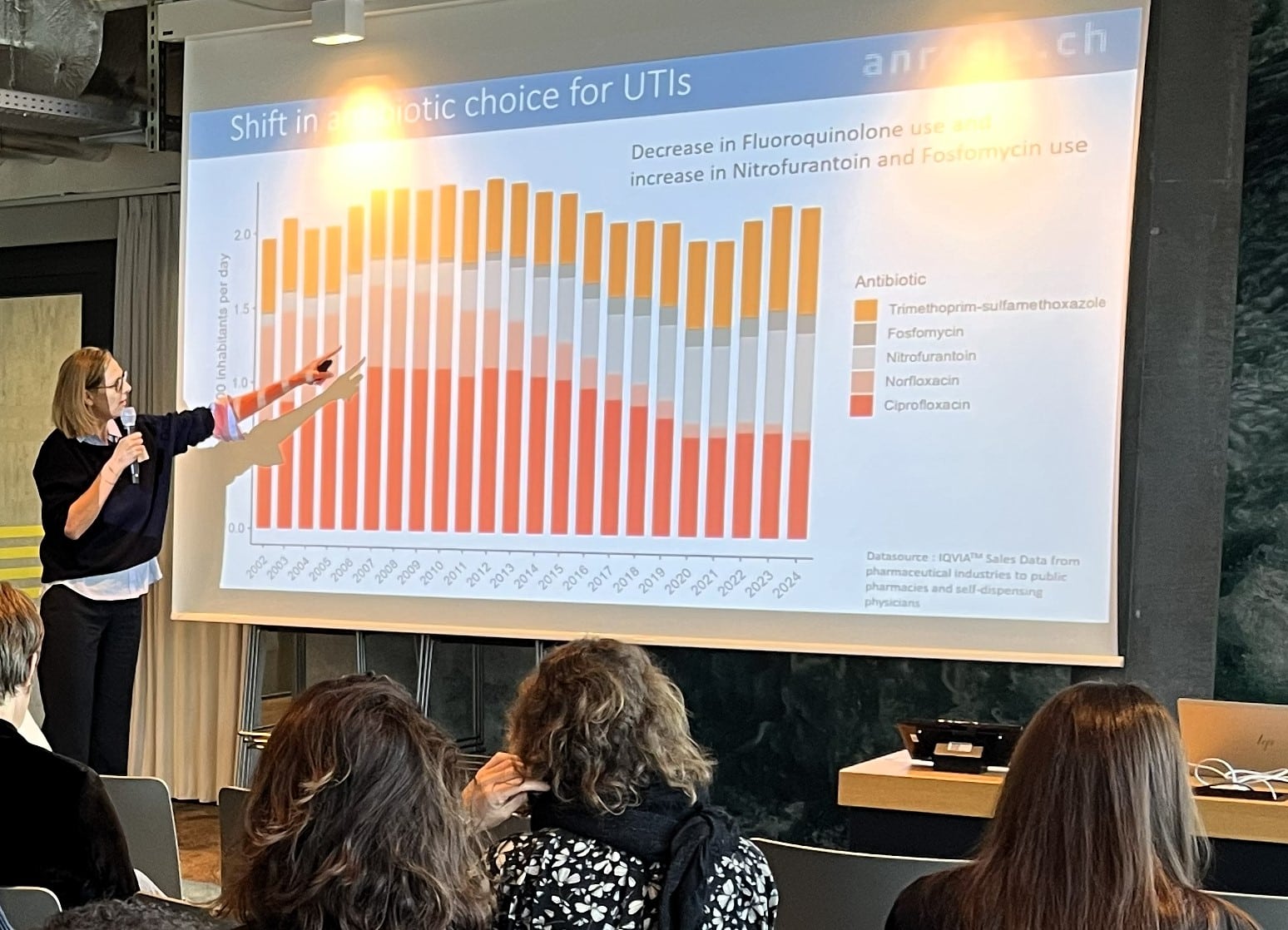

The second ASAP symposium took place on 12 November 2025 in Bern and brought together experts from across Switzerland who are committed to the coherent and evidence-based use of antibiotics in outpatient care. The 2025 event confirmed a clear commitment: to strengthen cooperation between regions and professional groups in order to improve the quality of prescribing and harmonise practices.
The programme presented the updated recommendations and the key principles of stewardship: reducing unnecessary prescriptions, making decisions based on objective criteria, and ensuring consistent communication with patients. The symposium reached the following conclusion: as a set of well-founded recommendations and effective procedures for updating them are now available, the new strategic priority is to ensure their consistent and uniform implementation in daily practice. Participants emphasised the relevance of the content and the value of interprofessional exchange. There was unanimous satisfaction, confirming the need for a national forum for the exchange of data, experiences and operational requirements.
ASAP will continue its activities in 2026, with an increased focus on practical tools, peer-to-peer exchange and the dissemination of the core messages of stewardship. The full report on the symposium is available on the ASAP website. The third edition of the symposium will take place in November 2026.
 Close
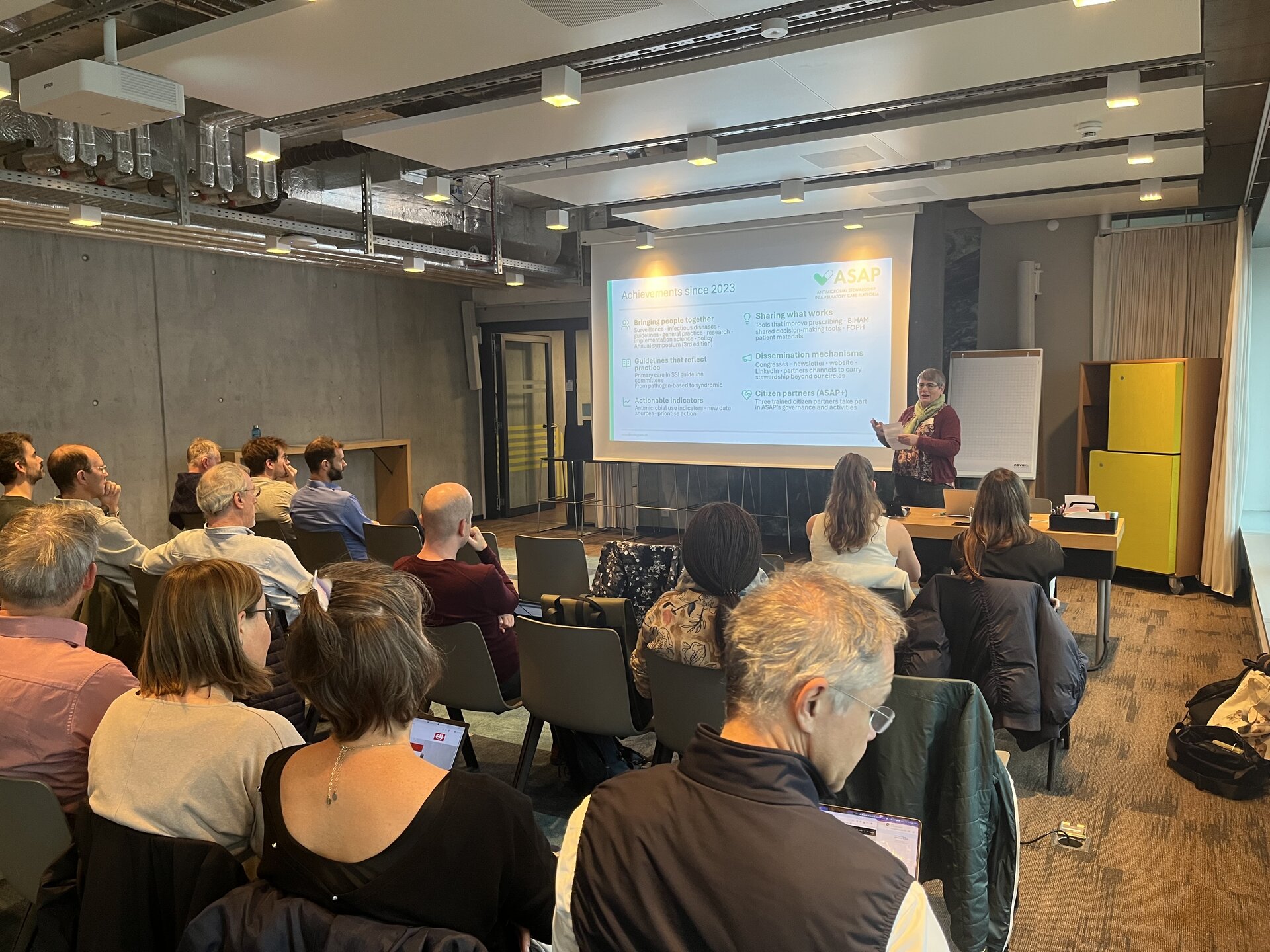
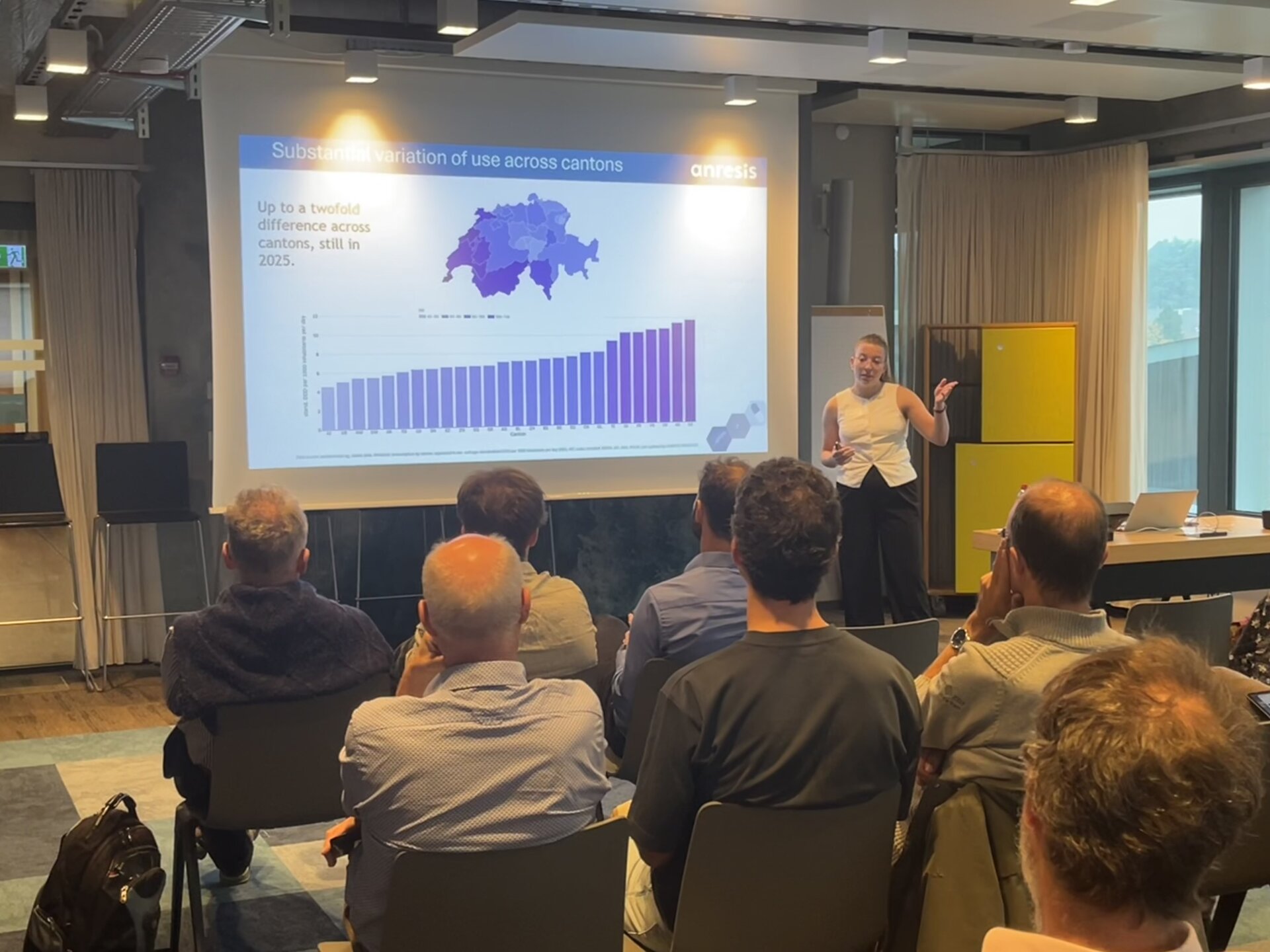
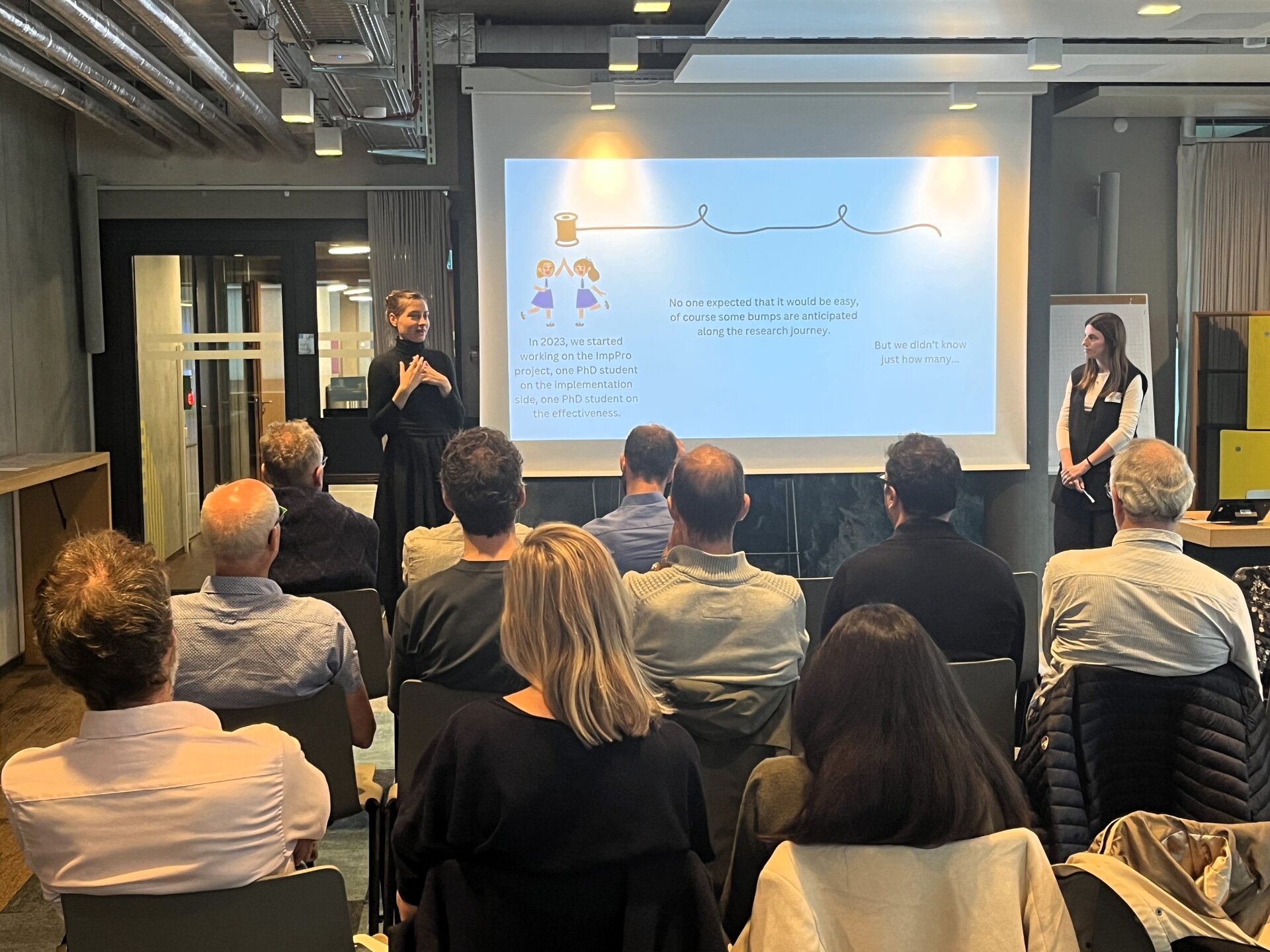
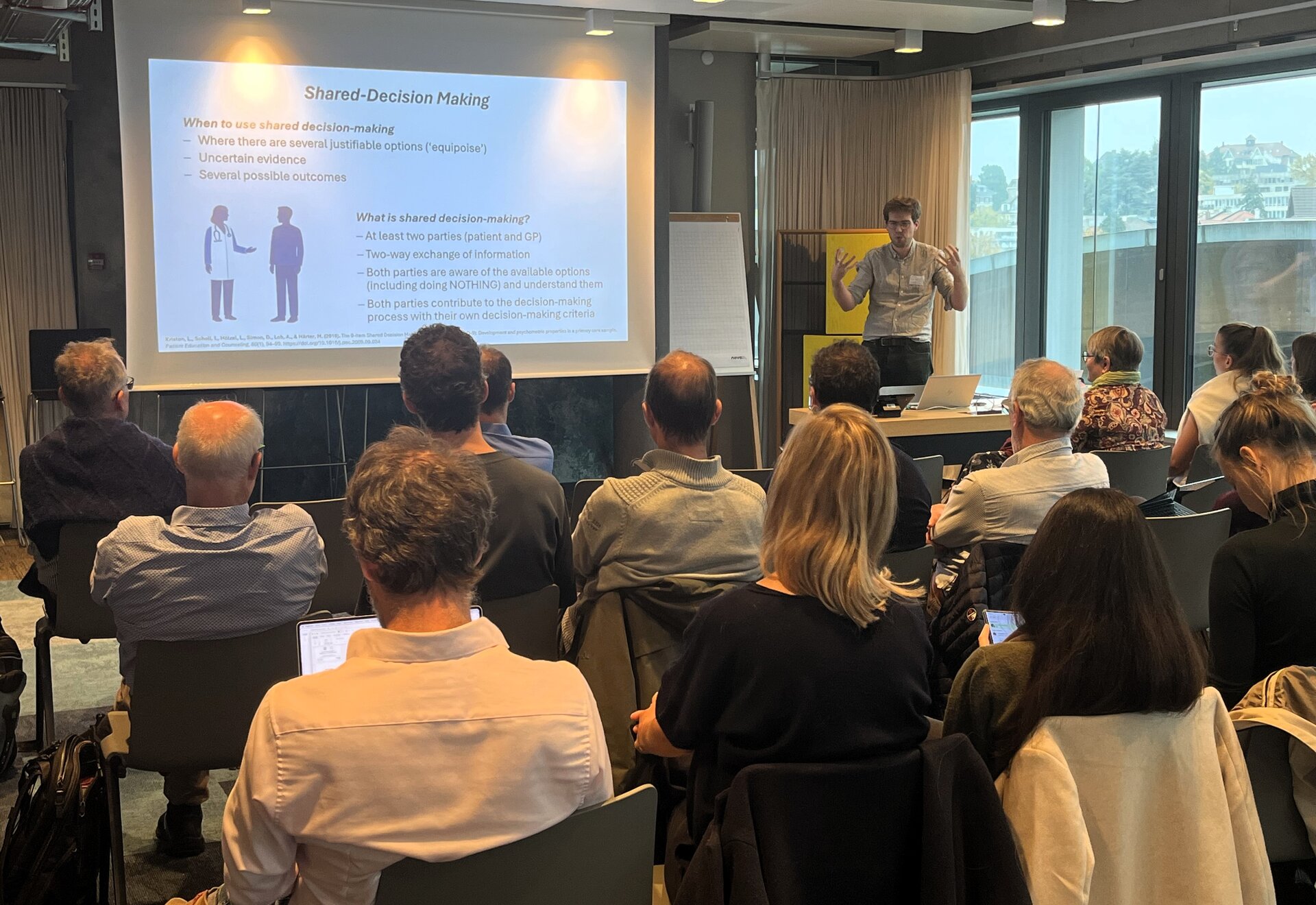
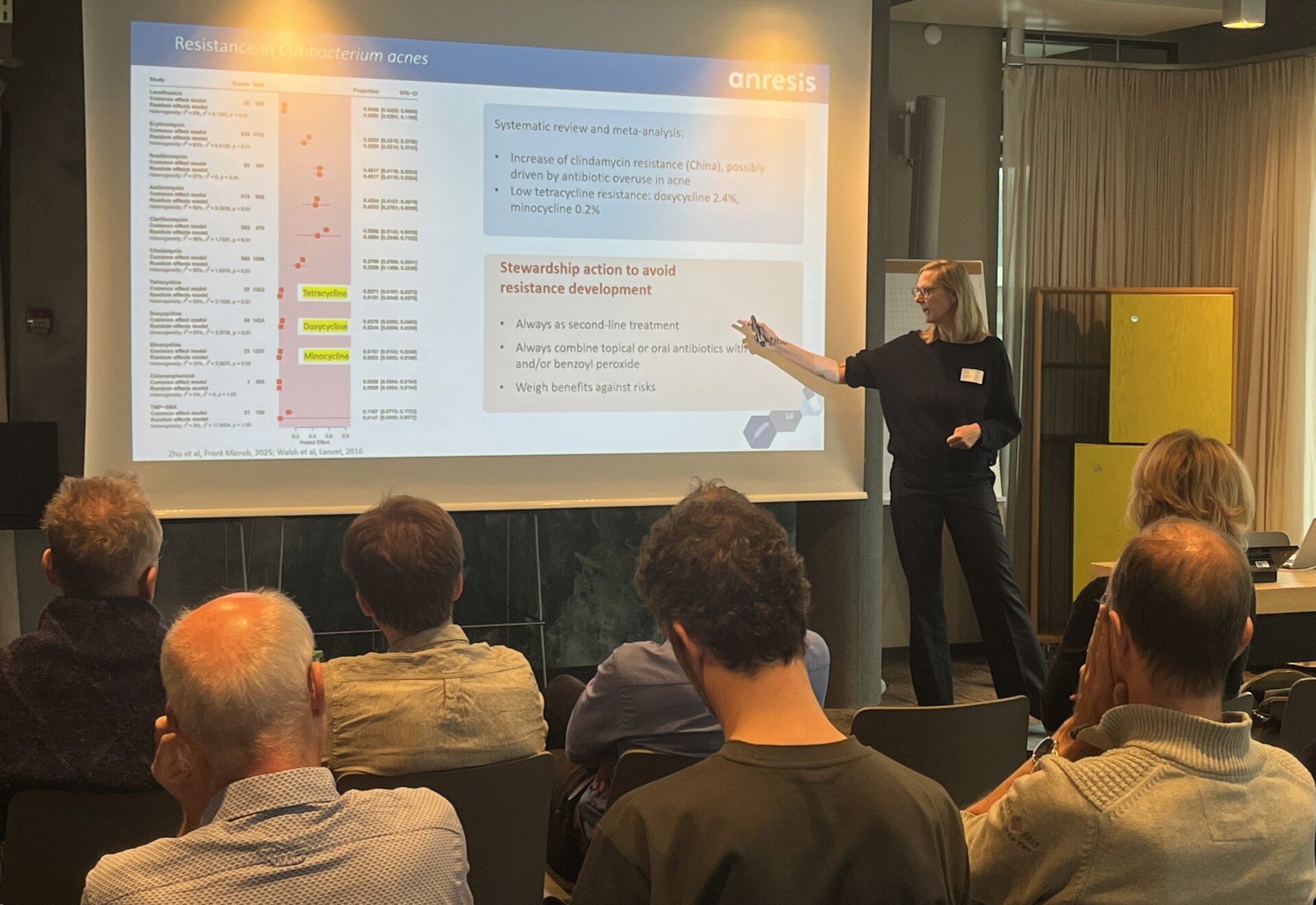
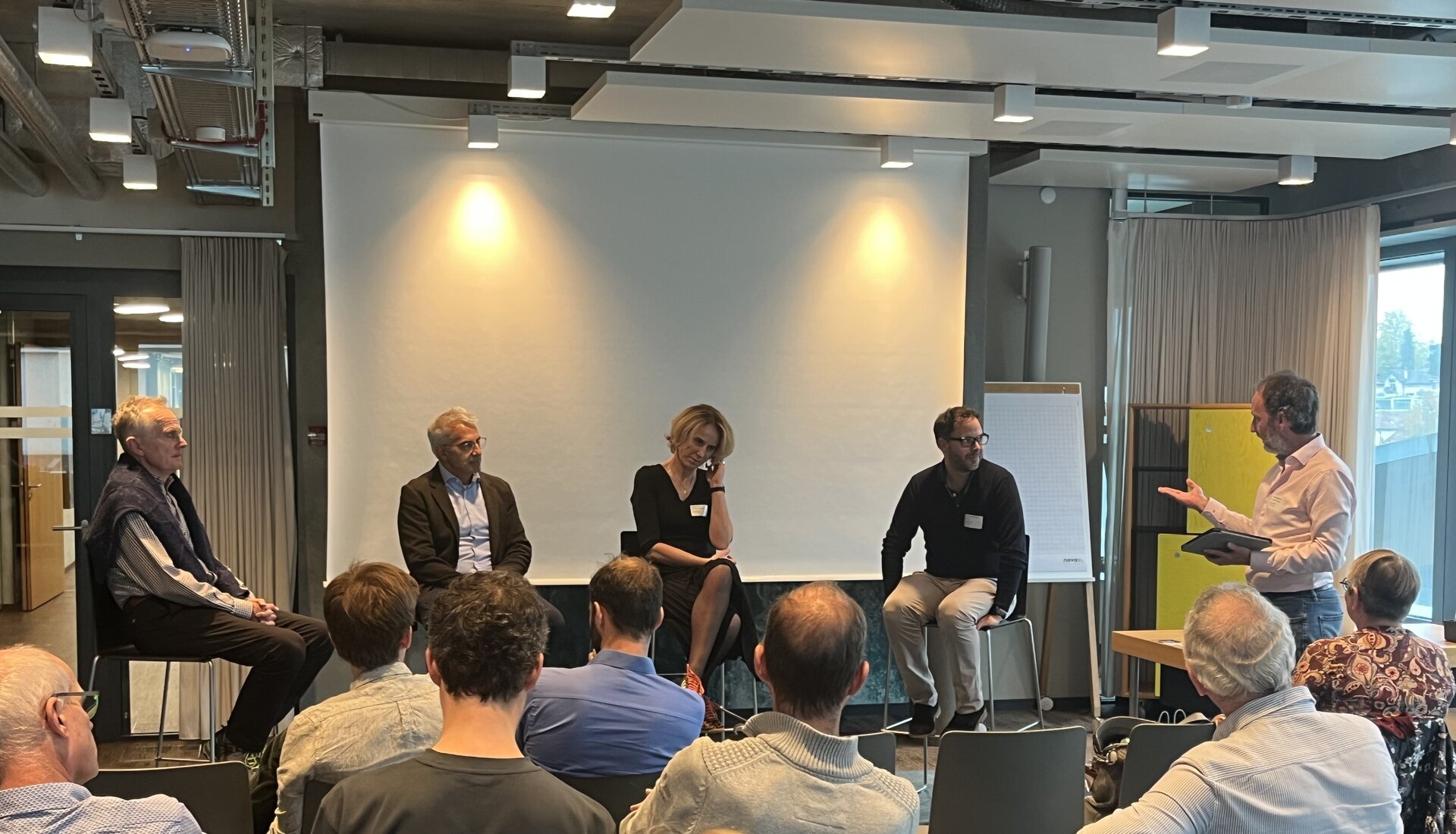
The third ASAP symposium took place on 30 October 2026 in Bern, bringing together 27 participants from general practice, research, pharmacy and public health, as well as citizen partners from ASAP+. It marked a turning point for the platform: ASAP looked back on its first three years and presented its 2026–2029 action plan.
The first part focused on implementing antimicrobial stewardship in ambulatory care: new ANRESIS analyses of outpatient antibiotic use by canton and prescriber specialty, and two interventions in primary care, the ImpPro trial in French-speaking Switzerland and a BIHAM study on shared decision-making in German-speaking Switzerland. Both relied on quality circles. Shared decision-making reduced antibiotic dispensing by GPs.
The second part turned to skin infections. ANRESIS data showed that co-amoxiclav dominates GP prescribing and that resistance of Staphylococcus aureus to fusidic acid is rising, especially in children. A clinical case of impetigo and a round table with a general practitioner, a paediatrician, an infectiologist and a citizen partner showed how uncertainty and the lack of Swiss guidance weigh on everyday decisions.
Close